MemoHive Official Website › Blog › A MemoHive Safety-Seal Check Comes Before A Daily Routine
MemoHive notebookA MemoHive Safety-Seal Check Comes Before A Daily Routine
The first useful question is not how a buyer feels after a capsule. It is whether the delivered bottle is sealed, intact, labeled and suitable for the person considering it.
Four checks before opening a bottle
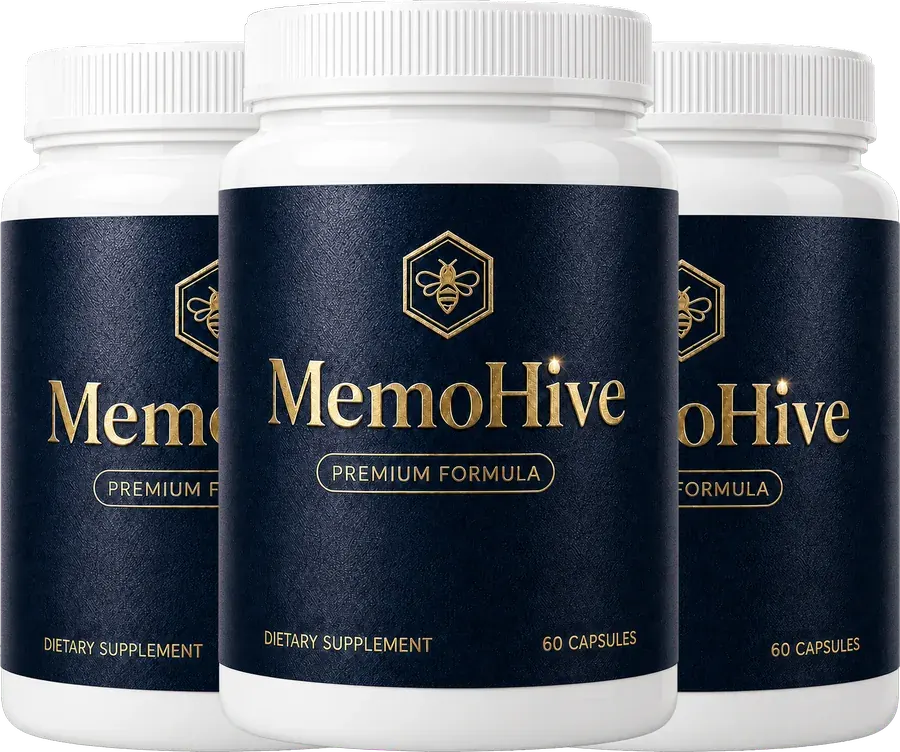
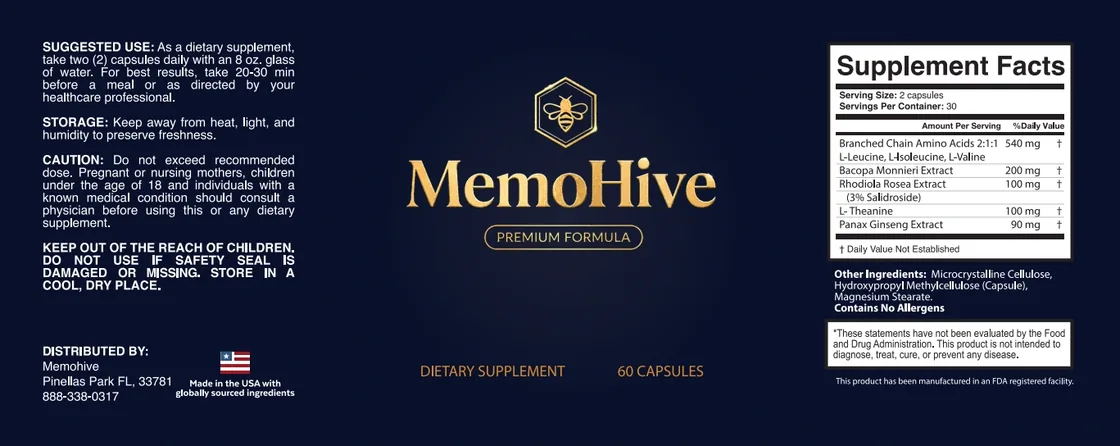
A real bottle has to pass a simpler test than a result claim: it has to be the item the buyer meant to receive, in a condition the label permits them to use. MemoHive's printed label says not to use the product if its safety seal is damaged or missing. It also says to keep it out of the reach of children and to store it in a cool, dry place. Those are instructions for the bottle in a delivered parcel, not decorative language at the bottom of a page.
Check the outer parcel, the cap and safety seal, the panel and the directions before a capsule enters a routine. If there is visible damage, keep the order email and tracking information with a photo of the unopened bottle. A buyer who identifies a packaging issue before use can tell the order desk exactly what arrived. A buyer who starts first and reconstructs the delivery later has less information, not more.
These checks have deliberately limited value. An intact seal can support the choice to read the remaining label; a broken or missing seal tells the buyer to stop. It cannot establish that the five listed ingredients will have a particular effect, that the product is right alongside a medicine or that it can answer a symptom. A packaging check should remain a packaging check.
| Check | What it answers | What it does not answer |
|---|---|---|
| Parcel and bottle | Whether there is visible transit damage | How the product will affect a person |
| Safety seal | Whether the label tells the buyer not to use this bottle | A product result or medical suitability |
| Supplement Facts | The stated serving, five rows and other ingredients | That the formula was clinically tested as a combination |
| Directions and caution | The seller's intended routine and who should consult a physician | That every adult can use it |
| Order email | Order ID and route to order support | A health assessment |
The last column is important. Supplements are not medicines, and the label does not diagnose, treat, cure or prevent a condition. The buyer's delivery task is to confirm the physical product and its printed instructions, not to decide that a seal resolves a health question.
What the safety-seal instruction actually means
The label's safety-seal instruction is clear enough to act on: do not use a damaged or missing seal. A buyer does not need to guess what happened inside a parcel or run a home test on a product that the label says not to use. They can pause, retain the order record and contact the order team that can see the purchase. That is a sensible response to an observable problem.
An intact seal has a different, smaller meaning. It is a reason to continue checking the product, not a certificate for every claim a buyer may care about. It does not prove the formula will support memory or mental clarity for one person. It does not verify a batch result, answer an interaction question or convert a product description into clinical evidence. A visible seal is useful precisely because its job is narrow and checkable.
The same caution applies to manufacturing language. The label says the product was made in an FDA-registered facility. Registration is not FDA approval of a dietary supplement or an FDA finding that it treats a disease. The FDA explanation of structure/function claims keeps that boundary clear. A facility statement, an intact seal and a named panel are facts a buyer can inspect; none should be enlarged into a promise about a result.
If a seal issue arises, the useful record is simple: photograph the unopened bottle, keep the outer package if it shows damage, retain the order confirmation and contact order support with the order ID. Website contact details can help with a page question, but the order desk is the party that can locate a transaction and give the seller's next step.
Directions, storage and cautions have different jobs
The directions state two capsules once daily with an 8 oz glass of water, 20 to 30 minutes before a meal, or as directed by a healthcare professional. That gives a listed serving and timing. It does not tell a buyer to double a serving after a missed day, split capsules to chase a feeling or add other products to imitate a study. The label says not to exceed the recommended dose, which is the relevant sentence if a routine starts to become an experiment.
The storage line says to keep the bottle away from heat, light and humidity to preserve freshness. A car dashboard, damp bathroom shelf or open container can be a poor match for that instruction even if the original seal was intact. Storage is a care instruction for the product bought; the label does not make it a promise of potency or a timetable for a personal change.
The caution line speaks to people, not packages. It tells pregnant or nursing people, children under 18 and people with a known medical condition to consult a physician before using the supplement. A medicine question deserves the same pause. For example, a review of herb interactions with cardiovascular drugs includes ginseng in its discussion of anticoagulant interactions. That source does not predict what MemoHive's 90 mg ginseng row will do to a specific person. It supports taking the full label to a clinician or pharmacist before use.
Why a bottle cannot answer a personal safety question
Labels are written for many people. A bottle cannot know a buyer's diagnoses, current medicines, allergies, pregnancy status, prior reactions or the reason they are considering a supplement. It cannot tell whether a change in memory or thinking needs assessment. The safe reading is not “my exact situation is absent, so it does not matter.” It is “the caution tells me when to ask someone who knows my situation.”
The evidence pages hold the same boundary. They discuss published records for individual ingredients, not a trial of the finished MemoHive formula. The NCCIH Asian ginseng page notes that ginseng may affect blood sugar and clotting and may interact with medicines. That is a reason for a medication conversation, not a reason to diagnose oneself from a webpage or assume a particular outcome is inevitable.
A buyer can leave an unopened bottle sealed while asking a clinician or pharmacist about the label. They can decide not to start because the product, budget or risk does not fit their situation. None of those decisions needs an invented certainty about the capsule. Transparent information is useful when it helps someone make a careful choice, including a choice not to buy or not to begin.
Read the MemoHive label before opening a bottle
The official website shows the two-capsule serving, five printed rows, directions and the 60-day purchase policy. Use the label and your own clinical advice first.
Order MemoHiveA small delivery record that remains useful
Keep the order confirmation, tracking number, delivery date and any photograph of a damaged unopened bottle. If visible, write down the lot and best-before information. If the seal is intact and the label suits the buyer, record the first day only after starting the listed routine. That separates a delivery issue from a question about personal use.
A record should not become a private clinical trial. It cannot prove that a supplement caused a change, and it cannot resolve a symptom that needs medical care. It gives the buyer accurate information for support, a return or a clinical conversation. Exact dates and order details are more reliable than reconstructing a sequence from memory.
There is a quiet benefit to keeping those categories apart. It keeps a buyer from treating an order record as a medical diary, and it keeps a question about a damaged seal from becoming an argument about whether a supplement “worked.” The first question has a seller process and evidence a buyer can provide. The second may require clinical context that neither an order desk nor a product page possesses. Good records make it easier to send the right question to the right person.
It also helps a buyer read online advice with more care. A photo of an intact bottle can document packaging; it cannot document what was inside a separate buyer's bottle or what happened after they used it. A product photograph, review or influencer post should never outrank the instructions on the product actually delivered, the order paperwork that came with it, or medical advice tailored to the person asking the question.
MemoHive is a dietary supplement, not a treatment for any condition. Do not use a bottle with a damaged or missing safety seal. For symptoms, diagnoses, pregnancy, medicines or any health concern, use the label as a starting document for a clinician or pharmacist—not as a substitute for their advice.
Sources
- U.S. Food and Drug Administration. Structure/Function Claims. https://www.fda.gov/food/nutrition-food-labeling-and-critical-foods/structurefunction-claims
- Izzo AA, Di Carlo G, Borrelli F, Ernst E. Cardiovascular pharmacotherapy and herbal medicines: the risk of drug interaction. Int J Cardiol. 2005;98(1):1-14. PMID 15676159. https://pubmed.ncbi.nlm.nih.gov/15676159/
- National Center for Complementary and Integrative Health, National Institutes of Health. Asian Ginseng: Usefulness and Safety. Last updated February 2025. https://www.nccih.nih.gov/health/asian-ginseng
Order MemoHive on the official website
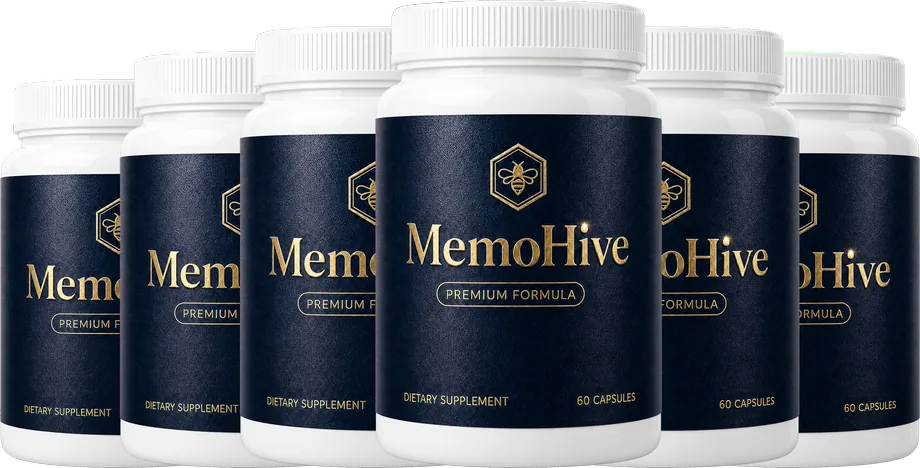
Two capsules once daily, 60 capsules and 30 servings to a bottle, and 60 days from the date of purchase to change your mind.
$79 down to $49 a bottle · 60 days to change your mind
Order MemoHive On The Official WebsitePaid once at the checkout · 60-day money-back guarantee · lot MEM-26/ME-4847